
RN21 consortium invests 29 million in valorisation of natural resin, Vida Económica

The RN21 consortium, led by ForestWISE and with 38 partners, from production to forestry to industry and academia, is one of those selected by the Government to promote sustainable bioeconomy. In the textile and clothing sector was selected the consortium BE@T, led by CITEVE (54 partners and an investment of 132 million euros) and, in footwear, was selected the consortium BioShoes4all, led by APICCAPS (68 partners and an investment of 75 million). The Final Report with the results of the call “Promotion of Sustainable Bioeconomy”, launched by the Ministry of Environment and Climate Action, foresees that the three consortiums now selected, one per sector, mobilize 236.2 million euros of investment for the next four years and involve 160 partners and business entities. The three consortiums are now invited to detail the integrated project by 3 May, with the signing of the contract expected to occur in June, confirmed to “Vida Económica” Carlos Fonseca, CTO of ForestWISE. Gathering 15 associates, ForestWISE – Association for the Collaborative Laboratory for Integrated Forest and Fire Management was formally constituted at the end of 2018. It aims to develop R&D&I activities and transfer knowledge and technology and has as associates Altri Florestal, Amorim Florestal, EDP Distribuição, DS Smith Paper Viana, REN, Sonae Arauco Portugal and The Navigator Company, in the industrial sector, INESC TEC, Instituto Superior de Agronomia da Universidade de Lisboa, Universidade de Aveiro, Évora, Trás-os-Montes e Alto Douro and Coimbra, in academia, and also AGIF and INIAV, as public bodies. Vida Económica Read the complete article (PT)
Extreme rural fires tend to multiply in the world, warns UN report. Portugal is “a very good example” in prevention, Expresso

Across the globe, rural fires have increased in intensity and extent and are projected to become increasingly severe and devastate parts of the world where they have never before reached, with consequences for human life, the environment and wildlife. By 2050 extreme fires are expected to increase by 30% and by the end of the century by another 50%. Expresso Read the complete article
Extreme wildfires are here to stay – and multiply, Reuters
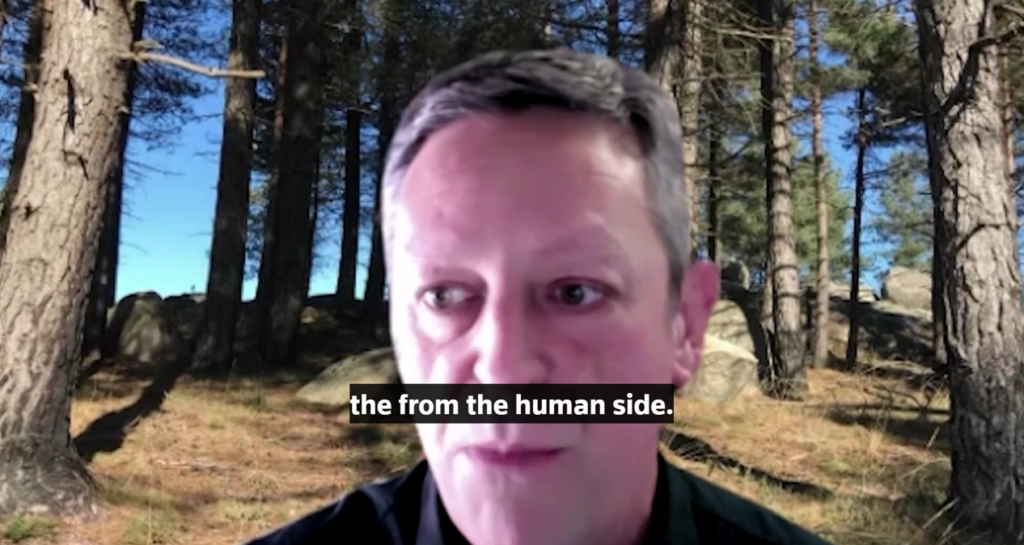
The interview occured following the release of the report “Spreading like wildfire: The rising threat of extraordinary landscapes”, a United Nations (UN) document that concludes that forest fires will increase by 50% by 2100. This report was developed by more than 50 specialists from all over the world, being the only Portuguese, the Senior Researcher and Coordinator of the Risk Management Working Line, Paulo Fernandes interviewed by Reuters and other relevant national and international media. Reuters Watch the interview
Earth life, RTP
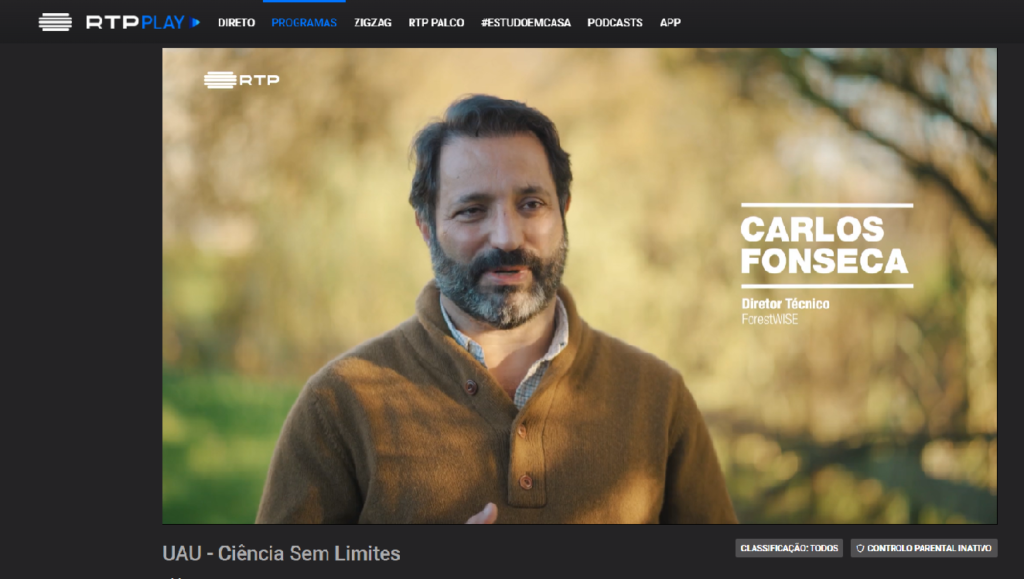
Carlos Fonseca spoke about the conservation and management of biodiversity, as a guarantee of our future, and about CoLAB ForestWISE, which has contributed to a greater valorisation of the forest, proposing a more active management, contributing to minimise the risks of large fires and, consequently, to the conservation of biodiversity. In RTP, UAU – Ciência sem limites Watch the episode
Strawberry tree needs a strong and cohesive sector to create a value chain, Diário Digital de Castelo Branco

Strawberry tree and its fruit need a strong and structured industry, which includes all the actors of the value chain, so that it can definitely assert itself in the regional and national context as a promising future in which it is worth investing and where there is a return for the entrepreneurs involved. This was one of the main notes of the initiative “Medronho Talks”, which took place on December 19th, integrated in the program of the Christmas Flavors Market in Proença-a-Nova, and counted with the presence of João Lobo, Mayor, Hélio Loureiro, gastronome, Carlos Fonseca, from ForestWISE – Collaborative Laboratory for the Integrated Management of Forest and Fire, Rui Lopes, nutritionist, researcher and entrepreneur, and João Dias, agronomist engineer. From an environmental point of view, Carlos Fonseca pointed out the versatility of the strawberry tree, an autochthonous, native bush species – “very much our own” and very resilient: “after a fire, the strawberry tree is one of the first species to regenerate”. There are very successful experiences of plantations of strawberry trees and cork oaks – and the mutual benefits between the two species are being studied at Coimbra’s School of Agriculture. “We won’t be able to differentiate the use of this fruit if there isn’t, in fact, associated knowledge and, contrary to what we may think, there are many institutions developing scientific research applied to strawberry trees and arbutus trees”. In his perspective, this sector is going through a crucial moment that may position the country as “the great strawberry tree producer worldwide”, and it is necessary to continue to take decisive steps, such as the one taken a few years ago to create the first ordered plantations, in a process driven by the Pinhal Interior. Read the complete article (PT)
What are the perceptions about the forest? The example of Mação, Florestas.pt
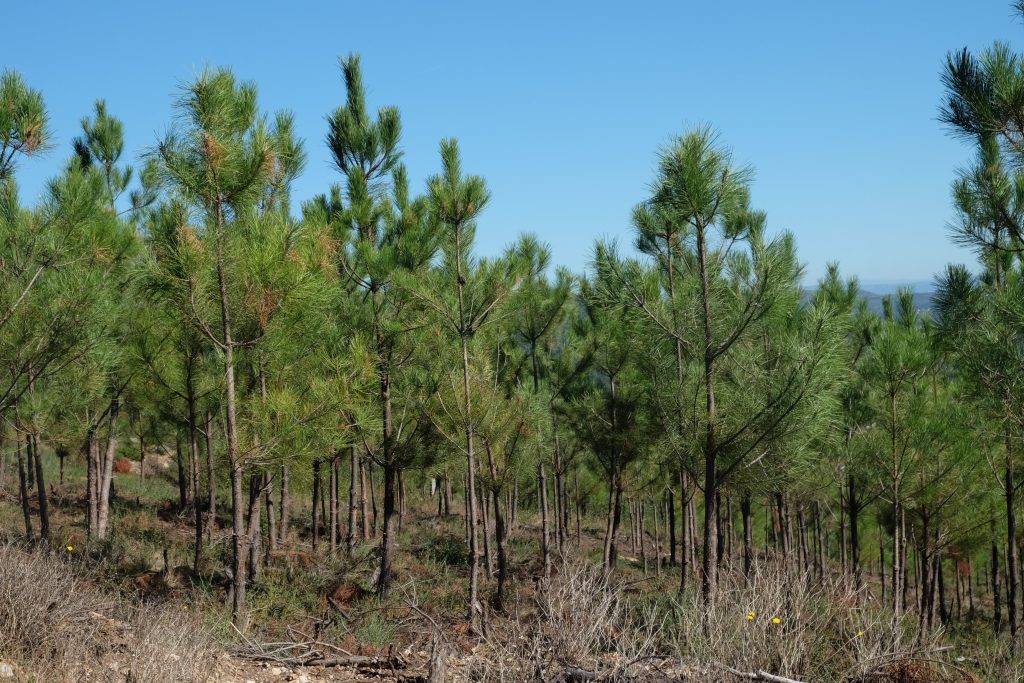
The decisions and strategies that affect forests and forest management in Portugal require knowledge of the perceptions about forests, as well as the motivations and attitudes of the various actors involved in the territory.Knowledge about motivations, attitudes and perceptions about the forest is fundamental to the construction and legitimisation of public policies and support mechanisms for the forest sector, and this is one of the challenges that ForestWISE – Collaborative Forest and Fire Laboratory intends to develop in its various thematic areas, particularly in the line of work “People and Policies”.The county of Mação (Central Interior Region) was used as a case study to learn about social perceptions of forestry, forest management and rural fires in Portugal. Between 2010 and 2012 5% of the resident population over 17 years old (323 respondents), and 30 agents of governmental and non-governmental organizations at local, regional and national level, related to the forestry sector were surveyed. In Florestas.pt Read the complete article
The forest, Sociedade Civil – RTP2
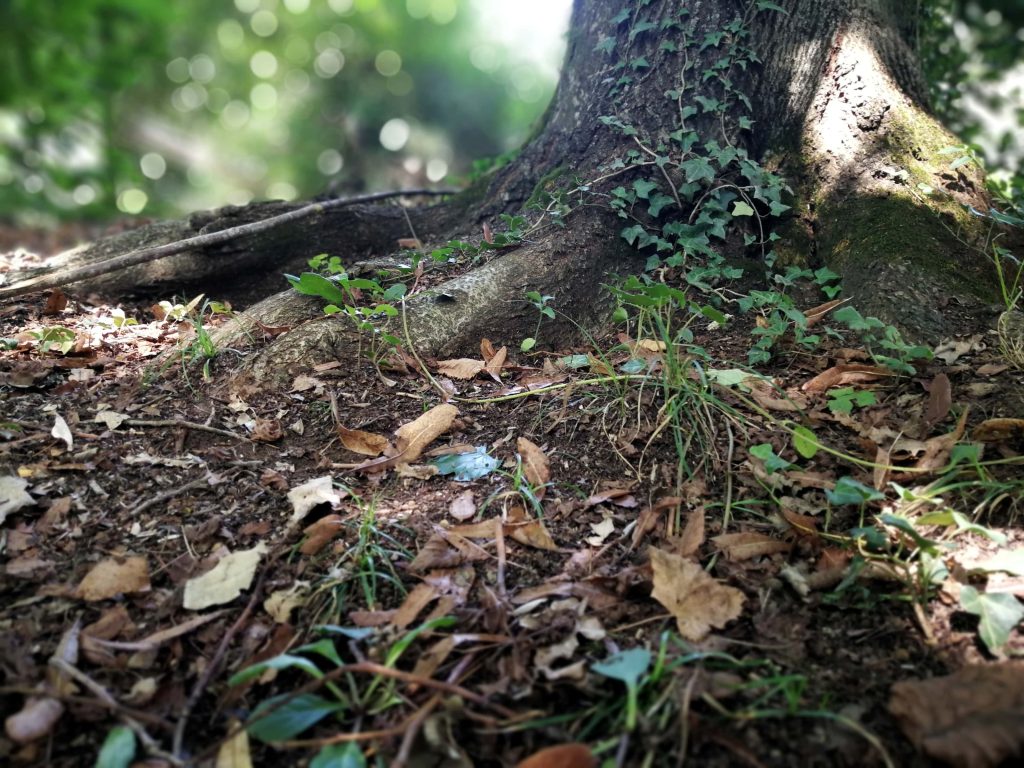
This episode about the forest had many invited specialist, namely the Chief Technology Officer of ForestWISE, Professor Carlos Fonseca, who presented the rePLANt project. In Sociedade Civil Watch the video (PT)
rePLANt: interview with Carlos Fonseca, CTO of CoLAB ForestWISE, TSF

Following Forest Day, TSF highlighted projects that promote the reforestation of the territory and the defence of the forest, namely rePLANt, which aims to use optical cameras to predict fire, robots to clean the forest and research to understand which plants are more resistant in each part of the country. It is a project that is expected to invest €5,600,000, from national and EU funding. TSF Radio broadcast spoke to Carlos Fonseca, the ForestWISE´s CTO, that coordinates the rePLANt project, which includes 20 institutions, from leading forestry and energy companies to universities, with the aim of creat value to the forest. TSF Listen to the interview (PT)
Carlos Fonseca, biologist: a life dedicated to the rural world, TSF

Carlos Fonseca, the guest of this episode, is a researcher at the Department of Biology of the University of Aveiro where he coordinates the Wildlife Unit. In TSF.pt Read the complete article